______________________________
 ____________________________


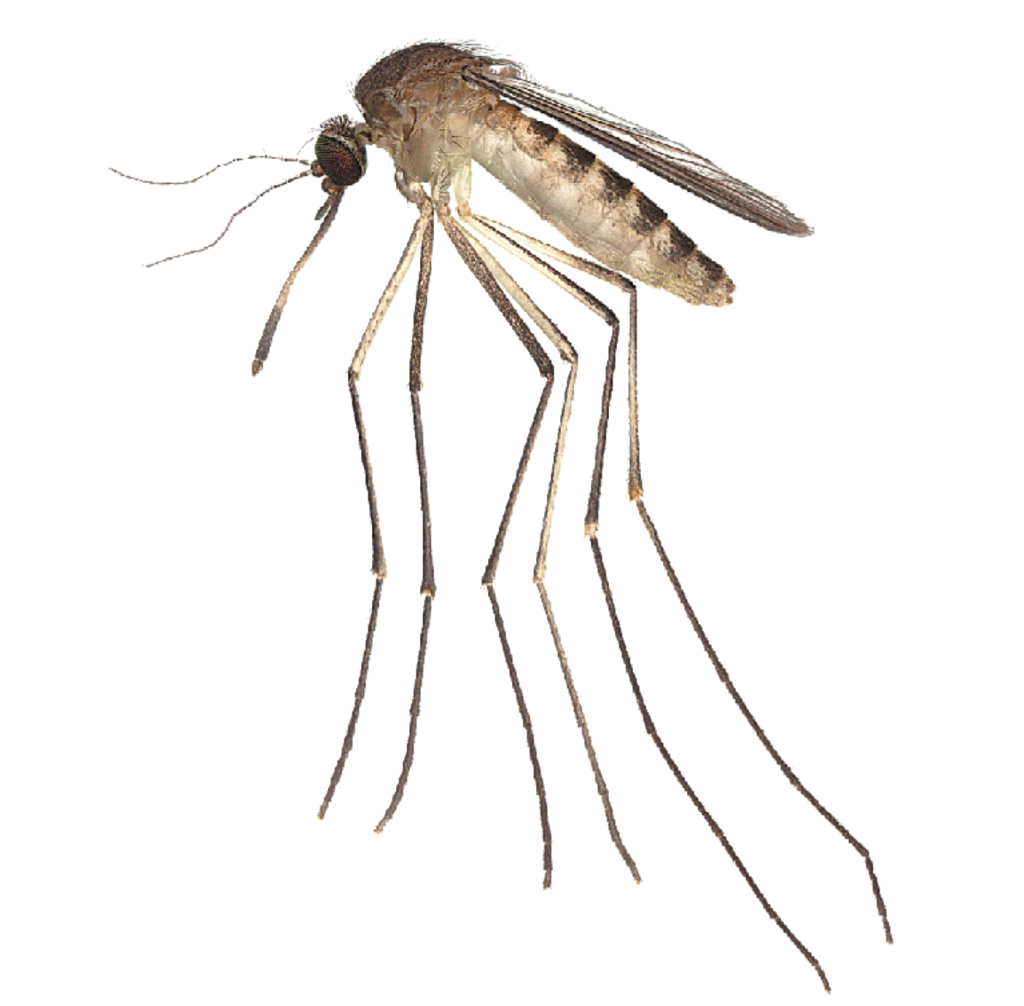
West Nile carrying Culex mosquito.
ARTESIA — The Greater Los Angeles County Vector Control District has confirmed the presence of West Nile virus in Artesia as health officials warn the virus is spreading earlier and faster across Southern California than it has in the last 20 years.
Federal health officials report the highest number of human West Nile virus cases recorded by late June since 2004, while mosquito samples testing positive for the virus have surged throughout Los Angeles and Orange counties.
West Nile virus is spread through the bite of an infected Culex mosquito, which is most active between dusk and dawn. Although most infected people never develop symptoms, about one in five experiences a mild illness that may include fever, headache, body aches, nausea and skin rash. In rare but serious cases, the virus attacks the brain and nervous system, potentially causing meningitis, encephalitis, paralysis or death. There is currently no vaccine or specific treatment for humans.
Within the Greater Los Angeles County Vector Control District’s service area, mosquito activity has increased dramatically this season. Officials say the five-year average at this point in the summer is about four mosquito samples testing positive for West Nile virus. This year, that number has jumped to 38.
The virus was first detected locally in May in Pico Rivera and Long Beach before spreading throughout the region. West Nile-positive mosquitoes have now been identified in numerous communities including Artesia, Bellflower, Cerritos, Downey, Hawaiian Gardens, Lakewood, Norwalk, Paramount, Santa Fe Springs, Whittier and several other Los Angeles County cities.
Orange County is experiencing a similar trend. Officials there detected infected mosquitoes for the first time this year in Newport Beach in early June. Since then, positive mosquito samples have been found in 10 Orange County cities, including Anaheim and Fullerton. The Orange County Vector Control District has also identified 38 infected mosquito pools this season, compared with just four during all of last year.
As of late June, federal health officials had confirmed at least 48 human West Nile virus cases nationwide, including 38 severe neuroinvasive infections. California has reported one confirmed human case this year involving a Long Beach resident who was hospitalized with a serious neurological illness.
Health officials say adults over age 50 and people with underlying medical conditions face the greatest risk of developing severe illness if infected.
Residents are encouraged to inspect their properties every week and eliminate standing water where mosquitoes breed. Buckets, flowerpot saucers, clogged gutters, bird baths and other containers that collect water should be emptied regularly. Swimming pools, spas and decorative ponds should be properly maintained to prevent mosquito breeding.
People spending time outdoors, particularly during the evening and early morning hours, should use insect repellents containing DEET, picaridin, oil of lemon eucalyptus or IR3535 and wear long sleeves and pants whenever possible. Officials also recommend repairing damaged window and door screens and reporting neglected swimming pools or other large mosquito breeding sites to the local vector control district.
Residents are also asked to report dead birds, which can serve as an early indicator of West Nile virus activity, to the California Department of Public Health through the state’s West Nile Virus reporting system or by calling 1-877-WNV-BIRD.
With mosquito activity expected to continue increasing during the hottest months of summer, public health officials are urging residents throughout the region to remain vigilant and take simple preventive measures to reduce their risk of infection.

Subscribe to get the latest posts sent to your email.