______________________________
 ____________________________


https://unsplash.com/photos/beautiful-young-couple-with-tablets-is-using-social-media-b1BP5iZNgSQ
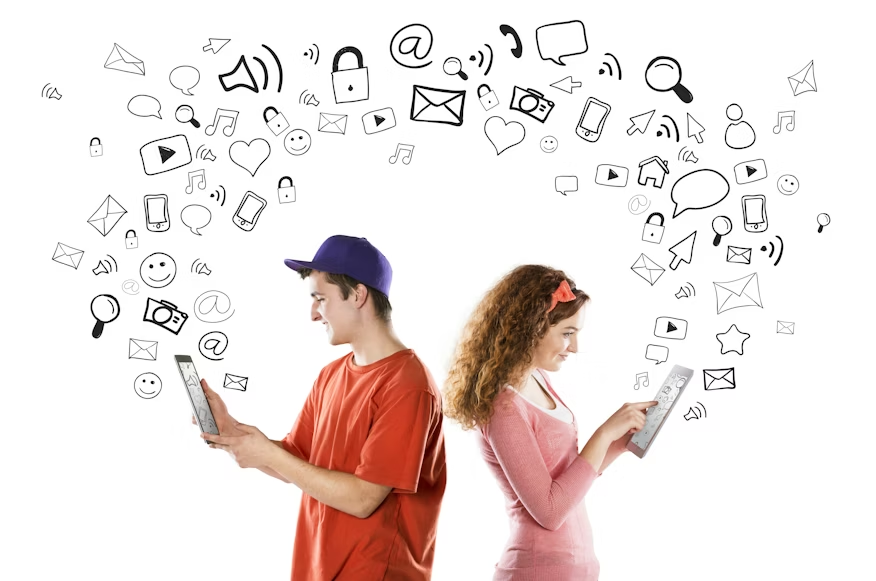
Consumption habits of people have transformed significantly in the last couple of years, yet 2026 is a definitive turning point. The attention spans are reduced, competition is tougher, and the pace at which content is catching up can make it or break it in a few minutes. Real-time engagement on the Internet is no longer merely a measure; it is the foundation of presence in the virtual realm.
Through social channels to news cycles, the need to be instantaneously engaged is transforming how creators, brands, and even regular users of the content are consuming content. What used to take days to gain momentum now only takes a few seconds, and this has totally altered the manner in which attention is captured, retained, and monetized.
The Movement in the Direction of Real-Time Validation
.
The content performance is nearly assessed in 2026. Regardless of whether it is a reel, post, or short-form video, early engagement signals are very important when it comes to defining reach. Algorithms give preference to the content that attracts quick attention and push it up in the feeds and recommendations.
This is where tactics oriented towards acquiring get more likes instantly are becoming indispensable. Artists are no longer left to organic discovery as time goes by. They are instead maximizing content to act on the moment- the hook, visually appealing, and timely content.
This change has also affected the behavior of users. People will be more attracted to popular content. The traction of a post makes it look like there is social proof, so that promptly, other people will interact with it.
Focus has become a Competitive Currency
Attention has become one of the most precious digital properties, with millions of posts per minute uploaded. Platforms favor content that attracts immediate attention, and it is more difficult for the slower-performing content to gain a presence.
This has seen the emergence of a new type of competition not only in terms of quality, but also in terms of speed. The initial minutes of publishing are now crucial. When content cannot create some engagement initially, it tends to get buried.
This is leading to creators putting more effort into:
The Psychology Behind Instant Engagement

https://unsplash.com/photos/a-group-of-three-cell-phones-with-different-images-on-them-tClze89-FpM
Human behavior is a significant factor that contributes to the importance of instant engagement. Individuals will inherently gravitate towards content that other people are engaging with. This forms a feedback mechanism in which content that is popular will become even more popular.
Some psychological triggers are in effect:
None of these are new aspects, but by the year 2026, these tendencies will be promoted by algorithms used in platforms, making them even more powerful.
Evolution of Algorithms and Their Effect
The current algorithms are also tailored in a way to identify the velocity of engagement as opposed to the overall engagement. This implies that the rate of content sharing, commenting, and liking is more valuable than the number it will get over a period of time.
This change has resulted in several changes that can be observed:
Creation of content is becoming more strategic
https://unsplash.com/photos/a-person-taking-a-picture-with-a-cell-phone-D4kALj_9CEE
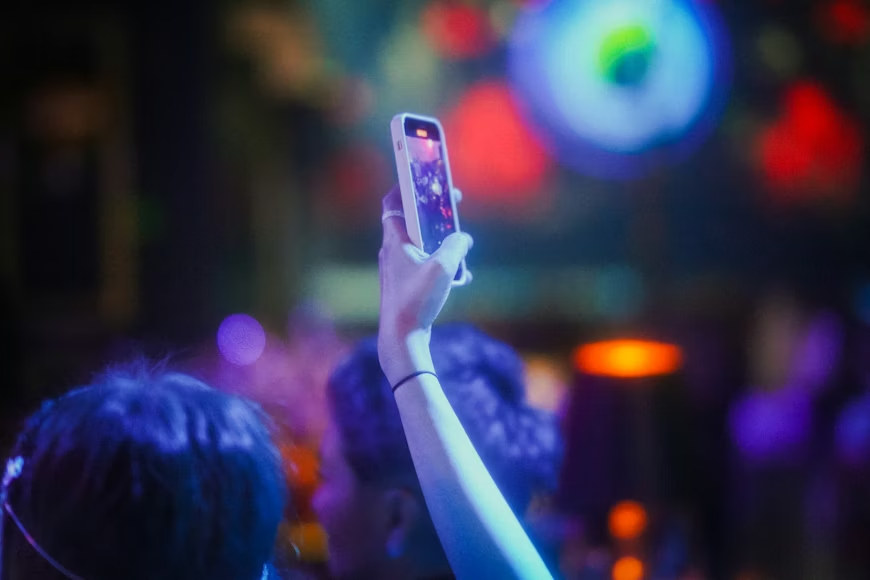
There were times when just high-quality content posting was sufficient. The generation of content in 2026 is highly strategic and data-intensive.
Designers are working on:
Even captions and hashtags are streamlined to promote quick and immediate interaction as opposed to long-term discovery.
The Micro-Moment Rise
The other significant trend that is creating a focus on the minds of people is the emergence of micro-moments, short segments where users make the choice to use or pass.
Such moments are so brief, usually lasting only a few seconds. During this period, material should:
Otherwise, it will be passed by scrolling. This has compelled creators to perfect their messages and whatever will slow down the engagement.
Difficulties of Instant Engagement Culture
Although instant engagement has its undoubted benefits, it has its problems.
The pressure it imposes on creators is one of the greatest concerns. The continual necessity to do a good job in several minutes may result in:
It is also possible to risk being more focused on engagement than authenticity. The content can be created just to get likes, instead of actual information or affiliation.
Striking a Balance Between Speed and Substance
Regardless of the focus on immediate interaction, it is still necessary to construct reliability and trust in the long-term success. Viewers might be attracted within a short time, but they remain to be valued.
The creators in 2026 who will be successful are the ones who will balance between:
Immediate appeal
They know that speedy interaction opens the door, but relevance maintains it.
The Implication of this for the Future
The power of immediate interaction is just likely to increase. With the further development of platforms, the role of initial interaction will probably become even greater.
We may look forward to witnessing:
Simultaneously, users can get pickier in regard to what they interact with, which increases the quality of content.
The 2026 online attention has reinvented the nature of instant online engagement. It has moved the emphasis from slow growth to the rapid impact of content creation, sharing, and consumption.
As creators and brands, the effort to adjust to this new reality involves technical and psychological levels of engagement. Although tactics to get more likes instantly may give an initial push, success in the long term is still reliant on providing value to audiences on a regular basis and forming authentic relationships.
In a fast-paced digital environment that is fast-paced, the ones to shine are those who are both immediate and authentic.

Subscribe to get the latest posts sent to your email.